
The Amalfi Coast is one of Italy’s most breathtaking stretches of shoreline — a 50‑km UNESCO World Heritage coastline of cliffside villages, turquoise water, lemon groves, and dramatic mountain‑to‑sea scenery. It runs from Positano to Vietri sul Mare, with 13 distinct towns, each offering its own vibe, views, and travel style.
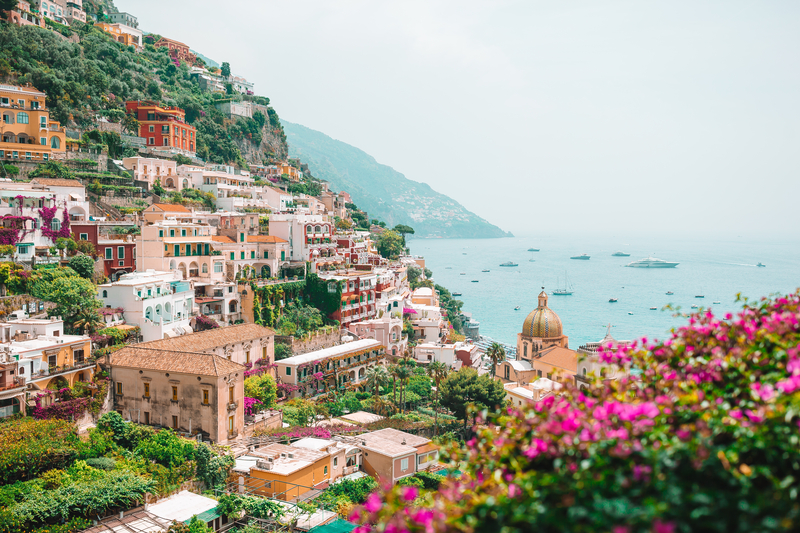
Vertical villages perched on cliffs, with pastel homes cascading toward the sea.
Iconic views from terraces, beaches, and winding coastal roads.
Rich history — Amalfi was once a powerful maritime republic.
Legendary lemons and world‑famous limoncello.
Hidden coves & dramatic fjords like Fiordo di Furore.
Easy access to Capri, Pompeii, Naples, and the Path of the Gods.

The most photographed town on the coast — pure Amalfi Coast magic.
Known for luxury hotels, romance, boutique shopping, and a dramatic vertical layout.
Best for: honeymooners, photographers, and travelers chasing “the postcard.”

Home to the Cathedral of Sant’Andrea and centuries of maritime history.
Walkable and lively, with a central location that makes ferry connections easy.
Best for: history lovers and travelers who want easy seaside access.

Set high above the sea with sweeping views that feel unreal.
Famous for Villa Cimbrone and Villa Rufolo gardens.
Best for: serenity, luxury villas, and music festivals.

Technically just outside the Amalfi Coast, but a major hub for visiting the region.
Flatter and easier to navigate, with great value and stunning Gulf of Naples views.
Best for: families, groups, and travelers who want simple logistics for day trips.

Fewer crowds, gorgeous sunsets, and intimate beaches — a calmer side of the coast.
Best for: quiet stays with beautiful views and a more local feel.
Spring (March–May): Wildflowers, mild temperatures, and ideal sightseeing weather.
June: Summer vibes without the peak-season crowds.
Fall (Sept–Nov): Warm water, great hiking, and fewer tourists.
Winter: Quiet and peaceful, though many hotels and restaurants may be closed.
Ferries (often the best way in summer for views + avoiding traffic)
Buses (budget-friendly, but can be crowded in peak months)
Private transfers (the most comfortable option, especially with luggage)
Driving is possible, but challenging due to narrow cliff roads and limited parking.